






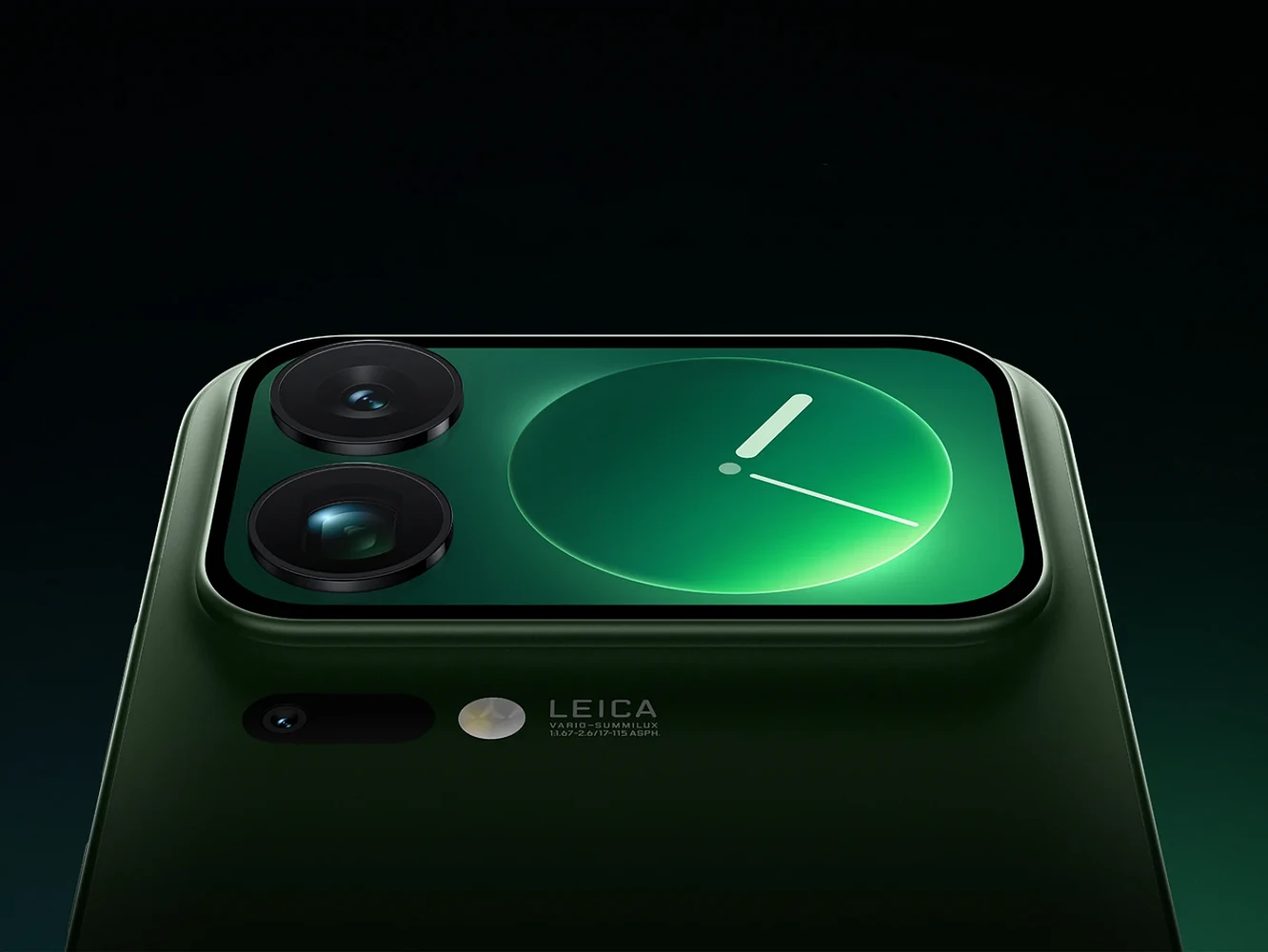
While the megapixel race seemed to have calmed down in favor of software optimization and sensor size, Xiaomi appears ready to spectacularly reignite the battle. According to the latest leaks from China, the tech giant is currently testing a camera configuration that could redefine industry standards, especially for selfie enthusiasts.
A 100 MP front camera: The bold technical gamble
The information comes from the renowned leaker Digital Chat Station, a source whose reliability is well-established in the mobile ecosystem. Xiaomi is reportedly experimenting with the integration of a 100-megapixel selfie sensor on its future prototypes, likely intended for the Xiaomi 18 Pro range expected in 2027.
The technical challenge is immense. Integrating such a resolution into the tiny punch-hole of the screen requires the use of extremely small pixels, far below the usual 1.2-micron standards used on current flagships. In theory, reducing pixel size risks degrading image quality in low light, as the sensor captures fewer photons. This is where Xiaomi's ingenuity would come into play.
RYYB technology as a miracle solution?
To compensate for the reduced size of the photosites, Xiaomi is reportedly considering abandoning the classic RGB (Red-Green-Blue) matrix in favor of a RYYB (Red-Yellow-Yellow-Blue) matrix for its color filter.
This technology, already popularized by Huawei on its P30 and Pura models, allows the sensor to absorb up to 40% more light by replacing green pixels with yellow ones. If mastered, this approach would allow the future Xiaomi 18 Pro to offer ultra-detailed 100 MP selfies without sacrificing the clarity of night shots, a balance previously unattainable on such a compact front sensor.
An equally monstrous rear module
If the front camera is drawing attention, the back of the smartphone would not be left behind. Rumors suggest a rear configuration integrating two 200-megapixel sensors.
A 200 MP main sensor for maximum definition.
A 200 MP periscope telephoto lens, promising unprecedented quality in digital and hybrid zoom.
This display of numbers suggests that Xiaomi aims to position its future "Pro" model as a true alternative to compact cameras, capable of extreme cropping without loss of detail.
Conclusion: Marketing or real progress?
It remains to be seen whether this numbers race will translate into a visible improvement for the end-user. As Apple and Google prove, the quality of a photo often depends more on algorithmic processing than on the number of pixels. However, if Xiaomi manages to combine this crazy definition with effective RYYB processing, the Xiaomi 18 Pro could well become the new absolute benchmark for mobile photography upon its release.



No comments! Be the first one.