




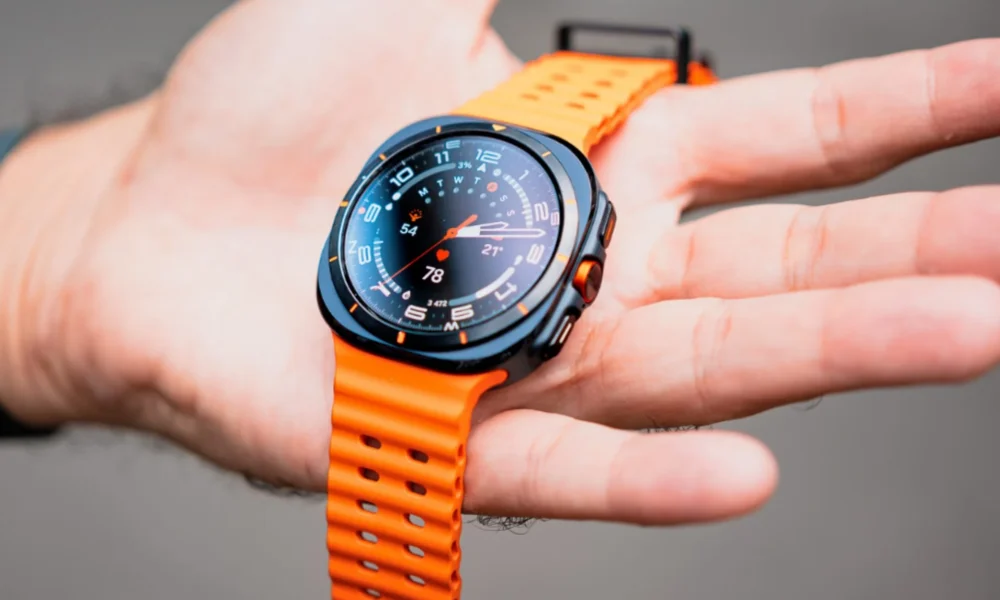
A leak details the Galaxy Watch 9 and Ultra 2 before their expected presentation. Snapdragon chip, 800 mAh battery, and 5,000 nits screen are reportedly on the agenda.
Two days before the Galaxy Unpacked event on July 22, 2026, unofficial marketing documents offer a very complete preview of Samsung's upcoming watches. The Galaxy Watch 9 would rely on a new Qualcomm platform, while the Galaxy Watch Ultra 2 would focus its most visible evolutions on battery life, thinness, robustness, and brightness.
Galaxy Watch 9 and Ultra 2: What the leak really reveals
The information comes from marketing images attributed to leaker Evan Blass by Android AuthorityThey have not yet been published by Samsung and should therefore be considered a leak, even if their presentation resembles that of finalized commercial materials.
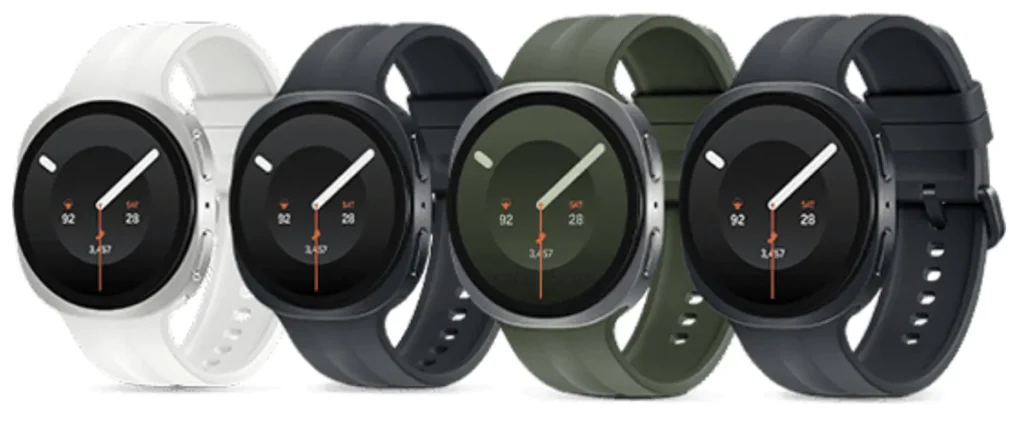
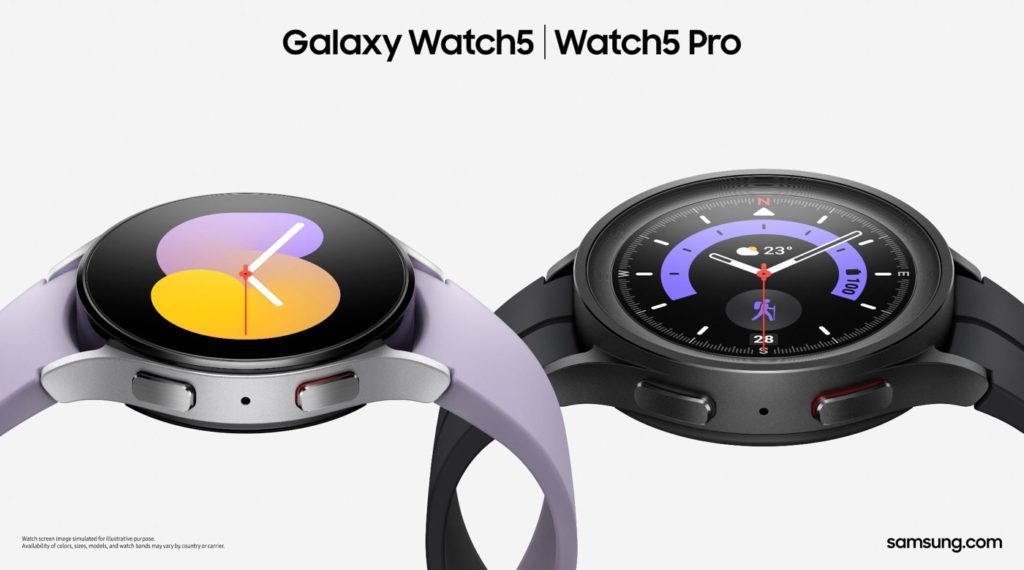
The Galaxy Watch 9 would appear in three colors: Cream, Silver, and Graphite. The visuals also mention a Snapdragon Wear Elite processor and several functions related to sleep, recovery, and training.
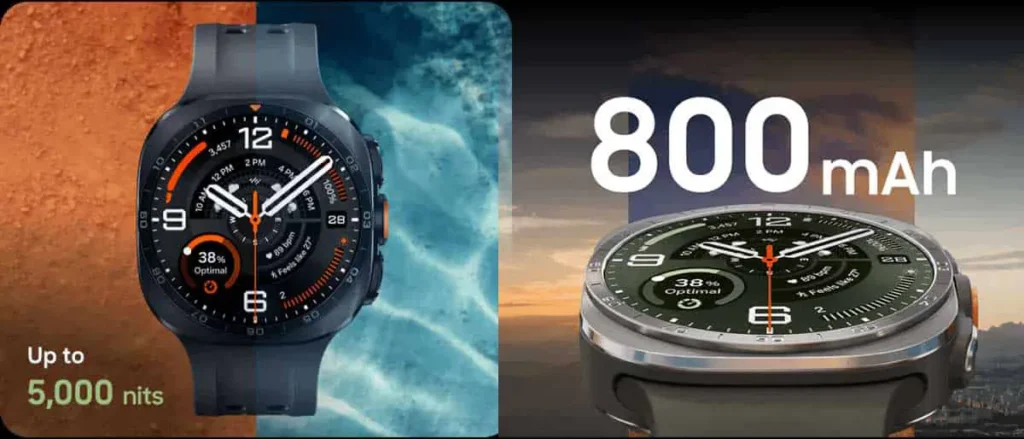
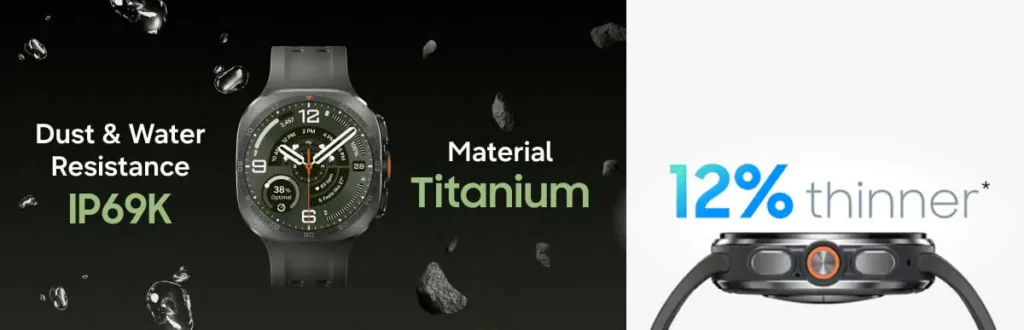
The Galaxy Watch Ultra 2 would retain its titanium construction but would be 12% thinner than the previous generation. The documents particularly attribute an 800 mAh battery, a screen capable of reaching a maximum brightness of 5,000 nits, and IP69K certification to it.
However, Samsung has confirmed neither the commercial names, nor the colors, nor these precise characteristics. In a teaser published on July 14, 2026, the manufacturer only mentions a new Galaxy Watch equipped with unprecedented components, improved battery life, and more precise health tracking.
Snapdragon Wear Elite: A major change for the Galaxy Watch 9
The switch to Snapdragon Wear Elite would represent a break in Samsung's hardware strategy. The current Galaxy Watch 8, Watch 7, and Watch Ultra use an Exynos W1000 processor manufactured on a 3nm process, according to the Samsung Official Specifications.
This transition is not mere speculation. In March 2026, Qualcomm and Samsung officially announced that the Snapdragon Wear Elite platform would be integrated into a future generation of Galaxy Watch. However, the press release did not specify the model name or the extent of its deployment within the lineup.
Qualcomm presents its chip as a platform for wearables equipped with an NPU capable of locally executing certain artificial intelligence processing. The manufacturer claims, compared to the Snapdragon W5+ Gen 2, five times the single-core performance, a graphics component up to seven times faster, and a 30% improvement in daily battery life. These figures are measurements provided by Qualcomm and do not prejudge the final performance of the Galaxy Watch 9.
The platform also supports 5G RedCap, Bluetooth 6.0, UWB, low-power Wi-Fi, and NB-NTN satellite communications. However, their presence in the chip does not mean Samsung will activate all these technologies in its watches. The visuals published on July 20 do not allow us to confirm a 5G-compatible Galaxy Watch 9 or Ultra 2.
A Galaxy Watch Ultra 2 designed to last longer
The 800 mAh battery would be the most significant evolution of the Galaxy Watch Ultra 2. The currently marketed model has a capacity of 590 mAh, and Samsung advertises up to 60 hours with the always-on display, or up to 100 hours in power-saving mode.
If the leak is accurate, the capacity would increase by approximately 36%. This calculation does not directly allow us to deduce battery life, as the screen, connectivity, sensors, and software management significantly influence consumption. A comparable increase in usage time remains nevertheless conceivable if Samsung maintains an efficient power platform.
This new information reinforces the clues already examined in our article dedicated to the expected battery life of the Galaxy Watch Ultra 2. The 800 mAh value falls at the upper end of the 780 to 800 mAh range mentioned in previous leaks.
A higher capacity could primarily improve sleep tracking, long GPS activities, and outings without a smartphone. However, Samsung will need to specify the battery life achieved in various scenarios, with or without always-on display, GPS, LTE, and overnight health monitoring.
A 5,000 nits screen and a case announced to be 12% thinner
Unofficial documents attribute to the Galaxy Watch Ultra 2 a screen that can reach 5,000 nits peak brightness. The current Galaxy Watch Ultra is advertised at 3,000 nits by Samsung. On paper, the increase would therefore be around 67%.
This maximum value does not necessarily correspond to a sustained brightness across the entire display. On a watch, it is mainly used to preserve the readability of certain elements under intense sun. We will have to wait for Samsung's measurement conditions and independent tests to evaluate the real gain outdoors.
The 12% thickness reduction deserves the same caution. The current model officially measures 12.1 mm thick. Directly applying the announced reduction would give about 10.6 mm, but this estimate is only valid if both generations are measured using the same method. The leaked visuals do not provide complete dimensions to confirm this result.
A thinner watch despite a significantly larger battery would imply significant work on the internal layout. This combination could improve comfort, but its effect will also depend on the diameter, weight, and shape of the back in contact with the wrist.
IP69K certification does not replace immersion tests
The leak mentions a certification IP69K, whereas the current Galaxy Watch Ultra is officially announced with IP68, 10 ATM, and MIL-STD-810H certifications. IP69K concerns particularly high resistance to high-pressure water jets, but it should not be interpreted as a universal guarantee for diving.
It will be necessary to check if Samsung also retains the 10 ATM resistance of the previous generation. The two indications correspond to different situations and do not, taken in isolation, allow us to determine the authorized depths or immersion times.
Samsung will also need to specify the limitations related to saltwater, high-speed activities, and aging of the seals. These details matter more in real-world use than adding an extra rating on a spec sheet.
Health features are partially confirmed
The images associated with the Galaxy Watch 9 show sleep apnea detection, Energy Score, Sleep Score, Vitals, and Running Coach. Their appearance in the materials does not necessarily mean they will be exclusive to the new watch.
Several of these tools already exist on current Galaxy Watches. Samsung also officially announced on June 4, 2026, a major evolution of Samsung Health including Vitals, Heart Health Score, Daily Cardio Load, Fitness Index, and Hearing Health.
Vitals compares five nighttime measurements: heart rate, its variability, respiration, skin temperature, and blood oxygen, with the user's own reference value. Samsung indicates that the function requires a data accumulation period before it can identify significant deviations.
The new Samsung Health functionality shows that the manufacturer's strategy goes beyond adding sensors. The goal is now to transform the collected measurements into personalized scores and recommendations.
These functions are intended for well-being and fitness. Samsung officially specifies that they are not designed to diagnose or treat any disease. Their availability may also vary by country, model, Samsung Health version, and regulatory approvals.
A credible leak, but significant unknowns remain
The documents reveal a consistent direction for the 2026 lineup. The Galaxy Watch 9 would favor performance and local intelligence, while the Ultra 2 would aim to address the battery life and readability limitations encountered by high-end smartwatches.
Essential information remains absent, including available sizes, screen resolutions, memory, storage, LTE variants, prices, and release dates. The actual battery life of the 800 mAh battery also remains unknown.
Samsung has confirmed that its Galaxy Unpacked event will be held in London on July 22, 2026, at 3 PM Paris time. This conference will allow us to verify if the leaked specifications match the marketed products and if the Galaxy Watch Ultra 2 truly achieves the battery life leap suggested by its battery.

No comments! Be the first one.