







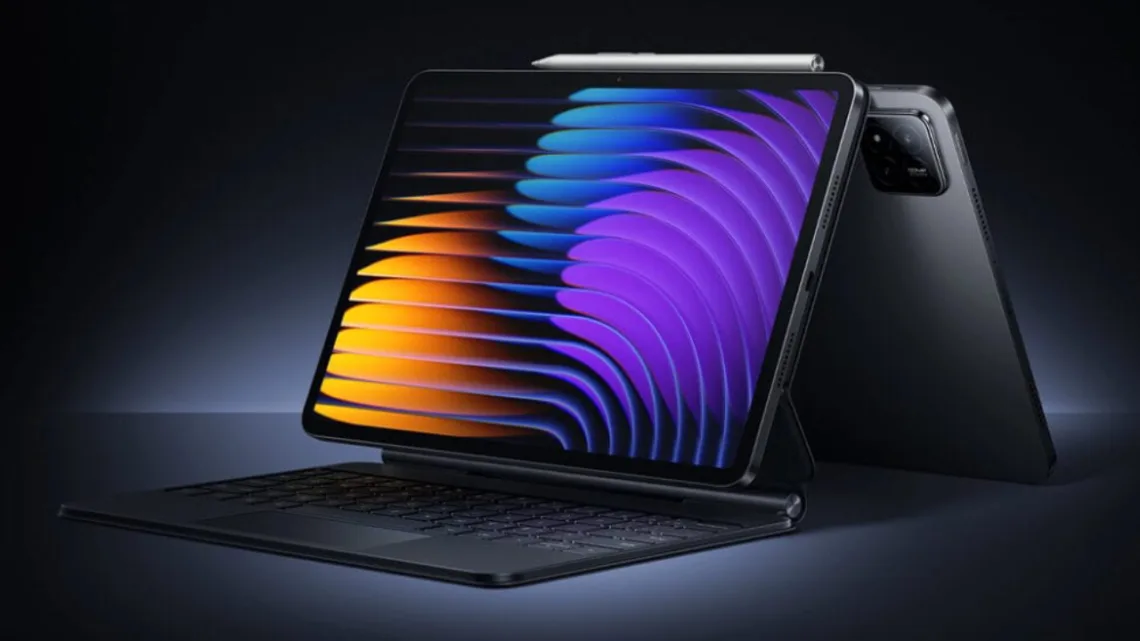
The frustrating wait is over for European tech enthusiasts. Xiaomi is finally preparing to internationalize its most ambitious tablets, turning the 2026 market into a true battlefield against Samsung and Apple.
As all eyes turn to the upcoming Mobile World Congress (MWC) in Barcelona, signals are multiplying: the Xiaomi Pad 8 series, confined to China since late 2025, has received its TDRA certification. This administrative stamp is not insignificant; it is the immediate precursor to a global launch. Xiaomi is no longer just coming to occupy the entry-level segment, but to hunt directly on the territory of iPad Pro and the recent Samsung Galaxy Tab S11.
Pad 8 Pro: Raw power without compromise
The Pro model is the one that crystallizes all expectations. If the leaks are confirmed, Xiaomi will deliver the fastest Android tablet on the Western market.
Under the hood, the Xiaomi Pad 8 Pro houses the Snapdragon 8 Elite. This is not a simple upgrade: this chip places the tablet above the fray, capable of rivaling the graphical performance of portable consoles. Paired with a minimum of 8 GB of RAM (and potentially up to 12 GB in Europe) and running on HyperOS 3 based on Android 16, the machine is built for heavy multitasking and competitive gaming.
The screen is not to be outdone: an 11.2-inch panel 11.2 inches in 3.2K definition with a refresh rate of 144 Hz. With a peak brightness of 800 nits and Dolby Vision certification, Xiaomi aims for visual excellence, a historical strong point of Samsung.
Pad 8 Standard: The "iPad Air killer"
Where the Pro version plays the power monster, the Xiaomi Pad 8 standard version adopts a formidable balance strategy. Equipped with the Snapdragon 8s Gen 4, it offers "sub-premium" power that is more than sufficient for 99% of uses, while retaining the 144 Hz screen of its big sister.
Its real asset? The design. With 5.8 mm thickness for 485 grams, it positions itself as an ultra-mobile alternative. The only notable concession compared to the Pro model lies in the charging speed: we go from 67W to 45W for an identical battery of 9,200 mAh.
The 2026 duel: Xiaomi vs. Galaxy Tab S11
This is where the real commercial battle is fought. Released in September 2025, the Samsung Galaxy Tab S11 currently reign supreme in the high-end Android segment.
Xiaomi arrives with an aggressive pricing strategy. While European prices are not yet official, the brand's history suggests a significantly lower price positioning than Samsung's.
- If the Pad 8 Pro manages to launch below €600-700, it will offer an unbeatable performance/price ratio against a Tab S11 that is often more expensive.
- The standard Pad 8, on the other hand, could "cannibalize" sales of the iPad Air and mid-range Android tablets if it maintains a price close to €350-400 (based on its conversion from the Chinese price of ~€260 excluding tax).
Verdict imminent
The simultaneous availability of the variants blue, gray, and green and the validation of European certifications leave little room for doubt: the launch is imminent, likely timed to coincide with the release of the Xiaomi 17 in March.
For the consumer, 2026 promises to be an exceptional vintage. Samsung's de facto monopoly on high-end Android is over; Xiaomi now has the tools to turn this duel into a real price war.

No comments yet — start the discussion!