





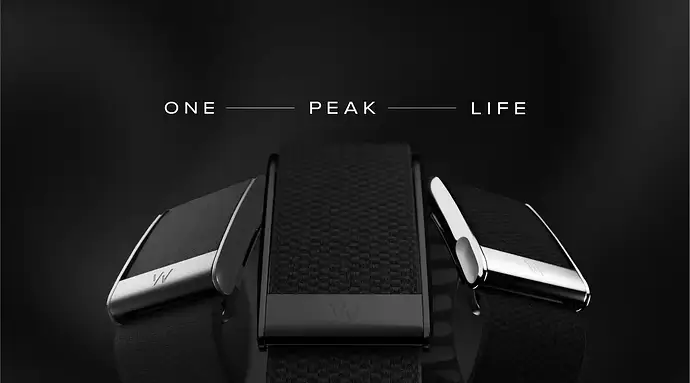
On May 8, 2026, WHOOP integrates live medical consultations in its app. The brand is thus responding to the launch of Google's Fitbit Air, released the day before for $99.
A doctor in the app: WHOOP's offensive
The timing is no coincidence. One day after Google's official launch of the Fitbit Air, WHOOP published an official press release on May 8, 2026, announcing one of the most ambitious developments in its history. The Boston-based company, founded in 2012 and having raised over $950 million in venture capital, will offer live video consultations with certified doctors this summer. live video consultations with certified doctors, directly from its app. The service is planned for the United States first.
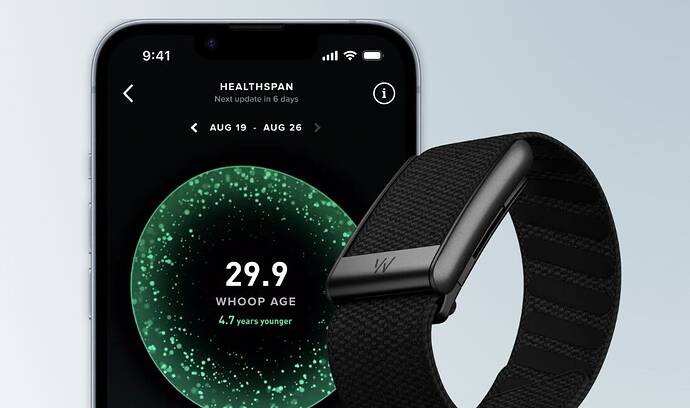
What distinguishes this feature from traditional telemedicine is the depth of data made available to the practitioner. The consultation will rely on months of continuous biometrics collected by the wristband, supplemented, if the member wishes, by their blood tests and medical history. WHOOP also confirms a partnership with HealthEx to synchronize electronic medical records directly into the app, allowing for the import of diagnoses, medications, and surgical procedures.
Ed Baker, Chief Product Officer at WHOOP, stated in the official press release of May 8, 2026: "We are always asking how we can provide more value to our members, and these new features are among the most significant we have ever built." This pivot towards clinical health marks a clear break: WHOOP no longer defines itself solely as a sports performance tracker but aims to become a global health platform.
A major unknown remains, which the press release remains silent on: the price of these consultations. Current plans range from $199 to $359 per year for WHOOP Life, and it is not specified whether access to a doctor will be included or charged as an extra. This pricing opacity, in a context of increased competition, is a signal to watch.
Heart rate reliability: the problem WHOOP can no longer ignore
While WHOOP is rushing to add premium features, a recurring criticism circulates among its members and could weigh in the balance against a competitor as accessible as the Fitbit Air. The reliability of heart rate tracking is regularly called into question, particularly during weight training sessions.
On WHOOP's official community forum, many users report erratic measurements during weight training, a problem that has been persistently reported for several months and affects even owners of the WHOOP 5.0 MG version, the brand's high-end model. A systematic review published on medRxiv concludes that WHOOP displays acceptable accuracy for heart rate in standard use but identifies room for improvement depending on the context. An independent study from the University of Maryland published in December 2025 in the journal Sensors specifies that the accuracy of all optical wrist sensors, including WHOOP, degrades significantly as the intensity of the effort increases.
WHOOP has taken the measure of the problem. In February 2026, the brand released a major update to its heart rate measurement algorithm, aiming to reduce aberrant peaks and better isolate the heart signal from movement-related artifacts. In its May 8, 2026 press release, WHOOP also mentions continuous improvements to the heart rate algorithm in its roadmap, suggesting that the work is far from over.
This context is crucial for understanding the competitive dynamics. If a user doubts the reliability of the data feeding their Recovery or Strain scores, the perceived value of the subscription erodes. And in that case, a $99 wristband without a mandatory subscription represents an alternative that's hard to dismiss.
Artificial intelligence for personalized coaching
Beyond medical consultations, WHOOP announces two new AI features transforming the coaching experience. The first, named My Memory, offers members a centralized space to view, modify, or delete the personal context the AI uses to formulate its recommendations. The goal is to give the user explicit control over what the system knows about them.
The second feature, Proactive Check-Ins, leverages this context to send suggestions at the right time without user prompting. Prioritizing sleep before a key event, adjusting training around a trip: the AI anticipates needs instead of just answering questions. The app's Journal has also been redesigned, with the ability to log habits, supplements, and life events via voice or text message. WHOOP indicates that the AI can suggest new items to track based on detected trends in the data.
These updates reinforce the logic of a subscription that must justify its high price. If WHOOP's coaching truly becomes more contextual and proactive than its competitors', it constitutes a strong retention argument for current members.
WHOOP vs. Fitbit Air: a battle of perceived value
The Fitbit Air was officially launched by Google on May 7, 2026, for $99, with three months of access to Google Health Premium included. Andy Abramson, product lead for Google Health, described the Fitbit Air on the official Google blog as "simple, affordable, and comfortable enough to be worn 24/7." The screenless band weighs 12 grams, boasts up to seven days of battery life, and initial deliveries are expected on May 26, 2026.
On paper, the two products target distinct profiles. The Fitbit Air is aimed at a broad audience, integrated into the Google ecosystem, who wants a passive health tracking frictionless experience with no recurring cost. WHOOP targets a more engaged population, willing to pay a substantial annual subscription in exchange for rich biometric data and, now, access to doctors. But the line between these two audiences is not as impermeable as the two brands would like.
The central question many current WHOOP users are asking is simple: do the additional features justify the price difference? If medical consultations are included in existing subscriptions, WHOOP is building a value proposition that's hard to compete with at the $99 price point. If they are charged extra, the calculation becomes much tighter. For members already doubting the reliability of their heart tracking, the Fitbit Air could represent a more comfortable exit than it has ever been. The definitive answer will arrive this summer, with the actual launch of consultations in the United States, and WHOOP's transparency on their pricing will be as decisive as the feature itself.


No comments! Be the first one.