






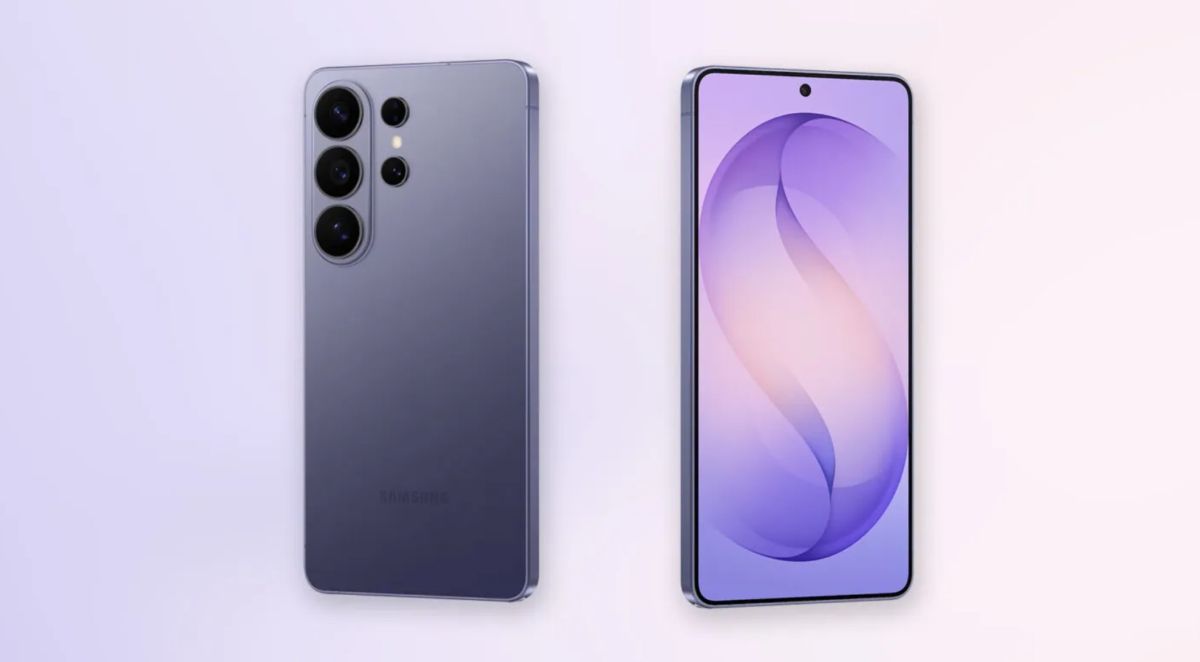
Samsung is seriously considering reintroducing variable aperture on its high-end smartphones, a feature that the Korean giant had abandoned several years ago after integrating it into its Galaxy S9 and S10 models. This strategic decision comes in direct reaction to Apple's plans, which is preparing to launch theiPhone 18 Pro with this same variable aperture technology later in 2026.
According to reported information, Samsung has already placed orders for variable aperture units from its suppliers, encouraged by Apple's innovative strategy for its iPhone 18 Pro lineup. If Samsung effectively pursues this project, this feature should appear on the Galaxy S27 series at the earliest, planned for 2027.
What is variable aperture and why is it important?
Variable aperture represents a mechanism that allows for precisely controlling the amount of light reaching the camera sensor. This technology offers users the ability to switch between different aperture values, for example between f/1.6 and f/2.4.
A wide aperture (f/1.6) lets in more light towards the sensor, creating a shallow depth of field ideal for portraits and macro photography. Conversely, a narrower aperture (f/2.4) reduces the amount of light but increases the depth of field, perfect for landscapes and scenes requiring overall sharpness.
This flexibility also offers better creative control, especially for producing a natural background blur (bokeh) directly through the lens, without resorting to computational photography. It also allows for optimizing exposure in extreme lighting conditions, whether in dark or overexposed environments.
Galaxy S26 Ultra: an improvement but insufficient
The Galaxy S26 Ultra will already benefit from notable photographic improvements with a wider aperture. According to the leaked specifications, the 200 MP main sensor will feature an f/1.4 aperture, while the 50 MP telephoto lens will offer an f/2.9 aperture. These values represent a significant improvement over the Galaxy S25 Ultra, which offered apertures of f/1.7 and f/3.4 respectively.
A wider aperture allows for better light capture, reducing noise and shake while improving overall image quality, especially in low-light conditions. However, despite these advances, Samsung finds itself playing catch-up to Apple this time regarding variable aperture.
Apple regains the technological advantage
TheiPhone 18 Pro and iPhone 18 Pro Max will integrate a variable aperture upon their announcement scheduled for late 2026. This feature will allow users toprecisely adjust the amount of light captured by the sensor, offering considerably increased control over the final photo rendering.
Currently, all iPhones capture their wide-angle photos with a fixed aperture of f/1.78. The introduction of a variable aperture would therefore represent a major shift in Apple's photographic philosophy, giving users finer manual control over depth of field and exposure.
Apple would also considerimproving the telephoto system, with a possible evolution of the current f/2.8 aperture present on the iPhone 17 Pro.
A return to roots for Samsung
The irony of this situation is not lost on anyone: Samsung was the first company to introduce variable aperture on its flagship smartphones, but this innovation was clearly ahead of its time. The Korean manufacturer had integrated this technology into its Galaxy S9 and S10 models in 2019, before abandoning it in subsequent generations.
Now that Apple is preparing to adopt this feature, Samsung is forced to revisit its own archives to remain competitive. This dynamic illustrates the considerable influence Apple wields over the smartphone industry: even when the Apple brand arrives late to certain innovations, the entire sector tends to follow its example.
Developments expected after years of stagnation
These photographic advancements mark a welcome change after several generations focused primarily on artificial intelligence. Over the past two years, Samsung and Apple have focused their marketing efforts more on AI features rather than significant hardware improvements.
The iPhone 17 introduced improvements for selfies, while the iPhone 18 Pro will bring variable aperture. For its part, the Galaxy S26 Ultra benefits from a wider aperture, and the Galaxy S27 Ultra could receive a major sensor upgrade to accompany its own variable aperture.
However, one aspect remains overlooked according to observers: battery capacity, an area where Apple, Samsung, and Google are most lagging in the face of competition.


No comments! Be the first one.