





iOS 27 could natively integrate Google Cast on iPhone. Under pressure from the European Digital Markets Act, Apple is reportedly preparing to open AirPlay to alternative streaming protocols as early as this year.
Why Apple is yielding on AirPlay now
The European Union is bending Apple, one step at a time. Since the Digital Markets Act (DMA) came into effect, the Cupertino firm has had to open iOS to third-party app stores, allow emulators on the App Store, and relax its anti-steering rules for developers. The next concession concerns wireless media streaming protocols: according to a Bloomberg report, Apple is preparing support for third-party streaming systems as an alternative to AirPlay, as part of its ongoing compliance with the DMA.
It is Mark Gurman, a specialized journalist at Bloomberg, who reveals the information in his "Power On" newsletter on Sunday, May 24, 2026. According to his sources, Apple would natively integrate support for alternative streaming protocols to AirPlay in iOS 27. Gurman thus formulates the revelation: "Apple, looking to satisfy the latest requirements of the European Union's Digital Markets Act, is building support into iOS 27 for third-party AirPlay streaming alternatives. This means that outside services — such as Google Cast — can be set by users as the default solution for beaming video, photos and audio from an Apple device to a speaker or TV." (Apple, looking to satisfy the latest requirements of the European Union’s Digital Markets Act, is building support into iOS 27 for third-party AirPlay streaming alternatives, I’m told. This means that outside services — such as Google Cast — can be set by users as the default solution for beaming video, photos and audio from an Apple device to a speaker or TV.)
What native Google Cast integration concretely changes
The distinction is technically important. It is already possible to use Google Cast in iOS apps, but each developer must integrate it manually into their application. iOS, as a system, natively supports only one streaming protocol: AirPlay. Third-party alternatives like Miracast and Google Cast therefore only work on an app-by-app basis, without system-level access.
The depth of this integration remains to be confirmed. According to available information, the central question is whether support for the third-party protocol will appear in the system's share sheet and Control Center, or only via developer APIs. The answer will determine whether this change truly alters users' daily experience, or if it's simply a box ticked on a regulatory compliance form. Apple is being watched closely: its past concessions to the DMA have often been deemed minimalist by industry observers.
A direct impact on the market for TVs and streaming boxes
Beyond the user experience, this opening would have significant economic consequences for the consumer electronics industry. TV manufacturers currently pay Apple licensing fees and must meet strict technical requirements to integrate AirPlay into their devices. If Google Cast can now fulfill this function by default on iPhone, their interest in paying for AirPlay certification will significantly decrease.
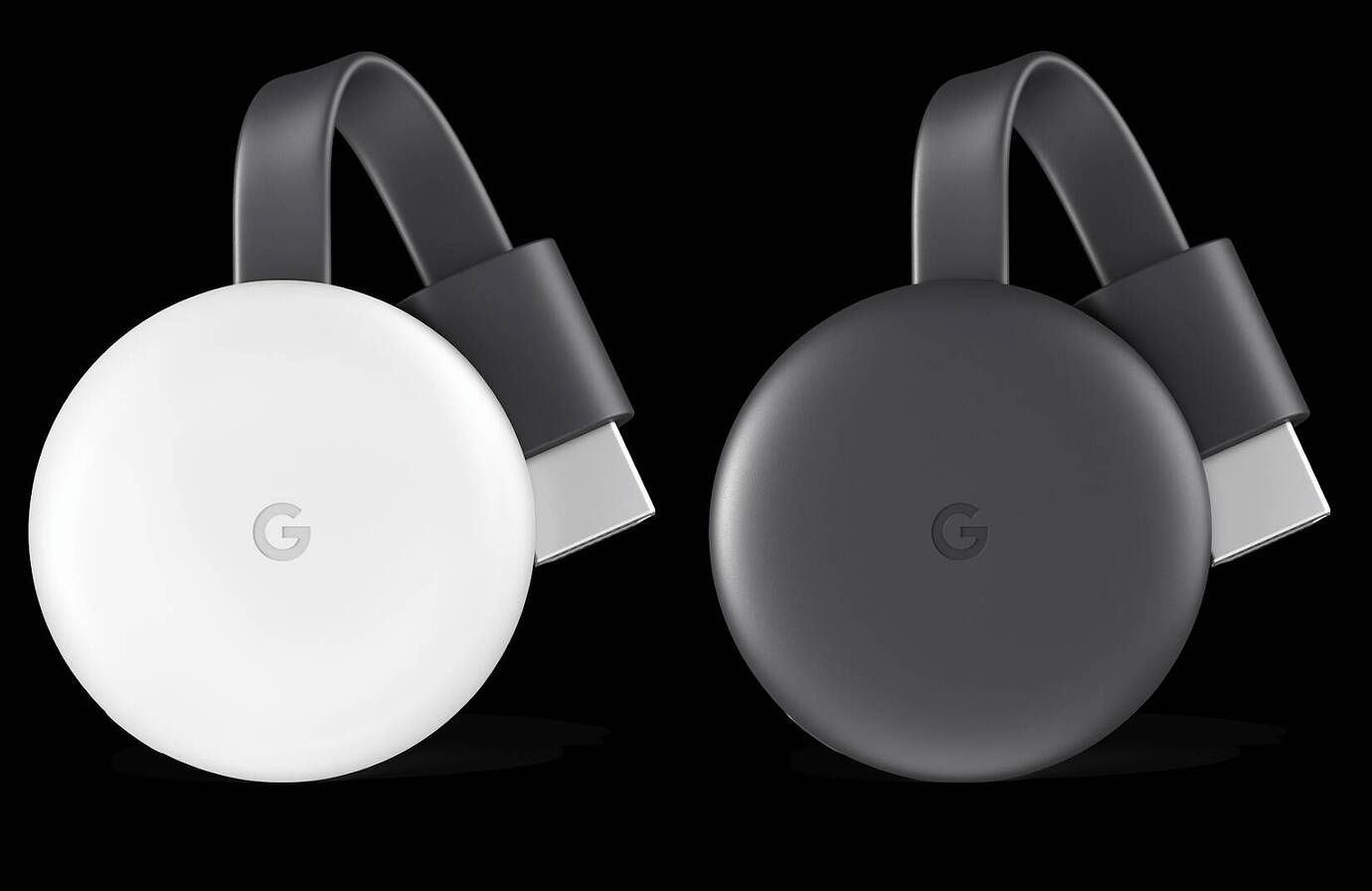
The change would also benefit affordable streaming boxes. Inexpensive Google Cast-compatible devices, such as Android TV streaming sticks, would become much more useful for iPhone users, who could now send content from their phone to these screens without AirPlay certification. In short, a 30-euro Chromecast would become a fully compatible accessory with an iPhone, without additional friction.
A measure limited to Europe, or global?
According to available information, the new streaming options are expected to remain limited to European users, like most of the changes imposed by the DMA. However, Apple has already shown that a regulatory measure can spill over its initial geographical scope: the authorization of emulators on the App Store, for example, was eventually extended worldwide.
Apple has not been consistent in how it implements regulation-related features. Alternative app stores remain exclusive to the EU, while emulators are available everywhere. DMA compliance with iOS 27 changes seems inevitable, despite Apple's displayed resistance on the matter.
Tension between Apple and the European Commission remains high. Apple has accused European regulators of deliberately delaying the approval of its compliance proposals, while continuing investigations into its App Store policies. The conflict intensified after Setapp, a third-party app store developed by MacPaw, announced the upcoming closure of its European iOS platform.
What does this change for the end-user
For a user in a mixed household, with an iPhone and Android devices around the TV, the opening of iOS to Google Cast represents a concrete practical gain. As things stand, an Android user can stream from their phone to Google Cast or Miracast-compatible devices, but they will likely never be able to officially support AirPlay, as this protocol remains proprietary. If the iPhone natively integrates Google Cast, it would become the most versatile device for wireless media streaming.
Casting is a type of change that users would immediately notice the moment they try to send a video, song, or photo to a nearby TV or speaker. The most direct beneficiaries would be iPhone users in mixed households. This is precisely what European lawmakers are seeking to promote: technological freedom of choice without forced dependence on a single ecosystem.
WWDC26: Confirmations Expected June 8
Apple will deliver the opening keynote of its annual WWDC26 conference on June 8, 2026, at 10:00 AM Pacific Time. It is on this occasion that details of iOS 27 could be officially announced. The question of the exact scope of Google Cast integration, whether it concerns the native casting interface, the Control Center, or developer APIs, should be answered by then.
The opening of iOS to alternative casting protocols illustrates a fundamental trend: European regulation is redefining the boundaries of closed technological ecosystems. Whether the change remains confined to the European Union or extends globally, iOS 27 marks a milestone in AirPlay's history. To follow the official announcements as they happen, the June 8 keynote will be the event not to be missed.

No comments! Be the first one.