





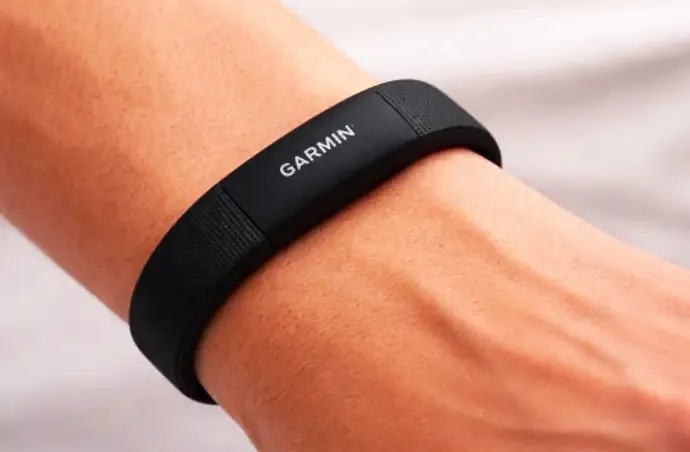
The Garmin Cirqa, a screenless connected band designed for recovery tracking, has just leaked at a Ukrainian retailer with a price that raises eyebrows: around $509.
A Ukrainian retailer preempts the official announcement
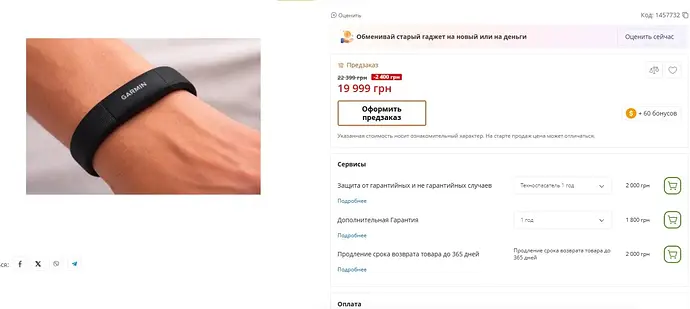
On May 14, 2026, the Ukrainian online store Stylus Store posted a complete product page for the Garmin Cirqa, with photos and pricing, well before any official communication from the brand. According to information not confirmed by Garmin, the band would have a catalog price of 22,399 Ukrainian hryvnias, or about $509 at the current exchange rate. A pre-order offer would reduce this amount to about $454 (19,999 UAH).
Caution is advised with this type of leak: early retailer listings sometimes contain automatically generated generic images or provisional prices, and there is no guarantee that these figures correspond to the prices that will be charged internationally.
Minimalist design and recovery-oriented features
According to the viewed listing, the Cirqa is presented as a black fabric band with a small sensor module bearing the Garmin logo. The module appears to be non-removable from the band, unlike the Fitbit Air, whose design allows it to be worn reversed. Garmin would offer two sizes (S/M and L/XL) and two colors: black and French Grey, according to information from a leak on the Canadian Garmin site published earlier in 2026.
The functions listed on the page include heart rate, calorie tracking, and compatibility with activities such as running and cycling. However, this information appears incomplete, as the page itself does not specify all the onboard sensors.
A price far above the competition
This is undoubtedly the aspect that raises the most questions. The Fitbit Air and Amazfit Helio Strap are offered at $99 each, while the Polar Loop is around $199. Only the Whoop MG exceeds this threshold, but through a subscription model at $359 per year, which includes the band. A Garmin Cirqa at $509 as a one-time purchase would therefore represent an unprecedented pricing position in this category of screenless products.
To put this ambition into financial context: Garmin started 2026 with first-quarter revenue of $1.54 billion, up 11% year-on-year, and its Fitness segment grew 42% to reach $547 million. The brand has solid financial backing, but this is not enough to justify such a price difference compared to its direct competitors.
The thorny issue of the subscription model
A recovery band at this price level naturally raises the question of features locked behind a subscription. Garmin has long been known for offering its essential functions without recurring fees, a philosophy that clearly distinguished it from platforms like Whoop. But the launch of Garmin Connect+, the brand's premium service, has introduced a nuance to this commitment.
If advanced recovery analyses or AI-based insights were to be added to this paid tier, the calculation would become uncomfortable compared to the Fitbit Air available for $99. Garmin must be cautious on this point, even if brand loyalty should at least ensure tactical success in the short term.
An imminent launch in a market under pressure
Garmin filed the CIRQA trademark with the USPTO on February 25, 2026, with descriptions covering stress recovery, vigilance, and performance. During the Q1 2026 earnings call, management used the phrase "new categories" and cited Fitness as the fastest-growing segment.
The estimated launch window is between mid-May and mid-June 2026. The timing is strategically charged: Alphabet's Fitbit Air began shipping on May 26, 2026, and Garmin cannot afford to let Google occupy the screenless tracker niche alone for weeks. The FCC filing, trademark registration, and definitive part number all indicate a launch in the coming weeks rather than months.
Competitive pressure is real, and the Garmin Cirqa arrives in a segment that barely existed three years ago. Garmin's official announcement should clear up any remaining ambiguities about the band's price, subscriptions, and exact features. Until then, it would be premature to draw definitive conclusions from a Ukrainian retailer's listing, but market trends are clear: the screenless wearable segment is becoming one of the most heated battlegrounds in the connected device industry.

No comments! Be the first one.