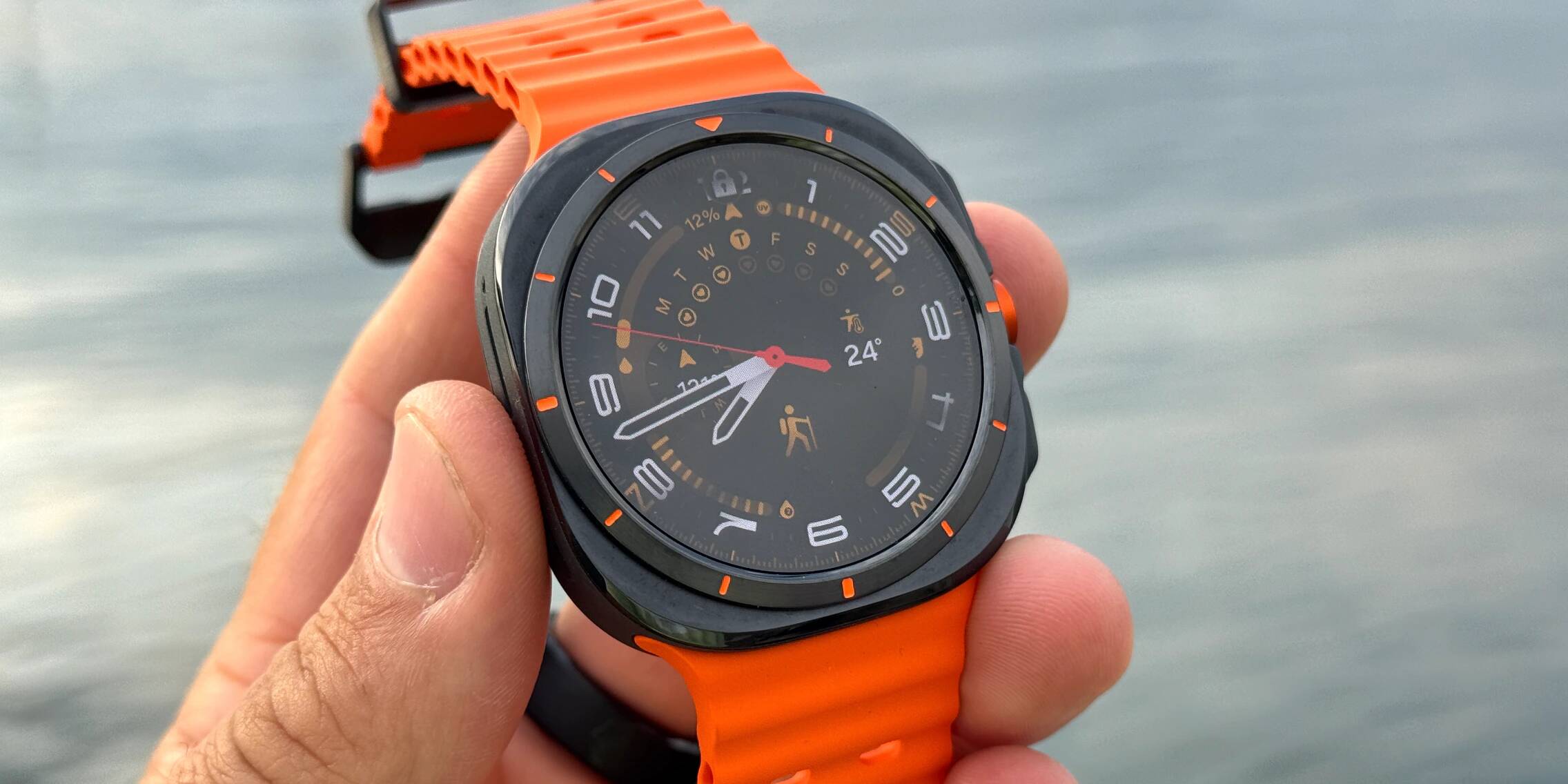
The Samsung Galaxy Watch Ultra 2 is shaping up to be Samsung’s most ambitious answer to the main flaw of smartwatches: battery life considered too limited for truly intensive daily use. According to several leaks published between March and June 2026, the brand is reportedly preparing a more durable, more connected watch for summer 2026, clearly designed to compete with the market’s most extreme models.
A Launch Aimed for Summer 2026, at the Heart of a Broader Galaxy Ecosystem
The latest information converges towards a presentation of the Galaxy Watch Ultra 2 in July 2026, during the traditional Galaxy Unpacked event where Samsung is also expected to unveil the Galaxy Z Fold 8 and Z Flip 8. PhoneArena, Android Central, and several media outlets citing sources close to production lines specifically mention July 22, 2026, as a likely window, with sales expected between late July and early August 2026.
Samsung is expected to present a range of three new watches: the Galaxy Watch 9, Galaxy Watch 9 Classic, and the Galaxy Watch Ultra 2. The latter will replace the first Ultra model launched in 2024 and updated in 2025 with a simple color and storage variation. The Ultra 2 would therefore fit into a renewal cycle of about two years, aligning more with high-end product logic than with classic annual updates.
A Battery Announced as Much Larger to Last Several Days
The most significant aspect of the rumors concerns the battery capacity. Several leaks suggest an increase of about 30% to 35% compared to the first Galaxy Watch Ultra, with a target of around 780 to 800 mAh, according to various reports from specialized sites close to component supply chains. Some even mention an « ultra-large » battery, presented as the key selling point of this generation, aiming to exceed three days of battery life under mixed usage with sensors, notifications, and health tracking enabled.
Practically speaking, where the first Galaxy Watch Ultra lasted about two days with all functions activated, analysts estimate that this capacity increase, combined with hardware and software optimizations, could allow it to approach four days of real-world usage under reasonable conditions. Even if these figures remain to be confirmed, the message is clear: the Ultra 2 aims to position itself as a very complete smartwatch that no longer requires almost daily charging.
A New Processor Built for Energy Efficiency
The battery is not the only lever considered to solve the autonomy issue. Several reports indicate that the Galaxy Watch Ultra 2 will use the Snapdragon Wear Elite, Qualcomm’s new high-end SoC designed for modern smartwatches. This chip is advertised as being more powerful than previous generations while consuming less energy, thanks to a finer manufacturing process and smarter core management.
Paired with a recent version of Wear OS customized by Samsung, this hardware foundation should allow for better control of background tasks, optimization of screen refresh rates, and power modulation based on usage, for example, by reducing consumption when viewing simple notifications. The goal is to transform the large battery into useful autonomy, rather than just a marketing claim disconnected from real-world use.
5G on the Wrist: An Asset… and a Battery Challenge
Another major evolution mentioned by several leaks is the potential arrival of 5G on the Galaxy Watch Ultra 2. Media outlets citing IMEI databases and GalaxyClub reports explain that Samsung is developing the watch in two variants, one with 4G/LTE and another compatible with 5G, which would make it the first Galaxy watch capable of connecting to this network without relying on a smartphone.
This advancement would place the Ultra 2 on par with the most advanced smartwatches on the market in terms of connectivity, enabling faster data downloads, more stable calls, and smoother mobile music or map usage. In Europe, some leaks suggest that the 5G version might be limited to certain markets, with the 4G variant potentially remaining the most widespread on the continent, highlighting the delicate balance between added features and battery constraints.
Sports and Outdoor Use at the Core of its Positioning
The Galaxy Watch Ultra 2 would remain true to the robust positioning of the first model, with a design clearly oriented towards sports use, long-duration activity tracking, and more demanding environments. Rumors suggest a single, large case size, around 47mm, which allows space for the large battery and a bright screen optimized for maximum outdoor readability.
This format also allows for the seamless integration of health tracking sensors, such as heart rate, blood oxygen saturation, heart rate variability, and possibly, according to some reports, new metrics derived from the platform introduced with the Galaxy Watch 9. In this context, multi-day battery life becomes almost essential: a runner, hiker, or user engaged in back-to-back activities does not want to constantly monitor the battery icon on their wrist.
A Direct Response to the Smartwatch Battery Life Concern
If the information gathered since early 2026 is confirmed during the official presentation, the Samsung Galaxy Watch Ultra 2 could mark a turning point in how high-end smartwatches manage battery life. Instead of adding more features at the expense of endurance, Samsung appears to have chosen to make battery and energy efficiency the core of the product, with a significantly more generous capacity, an optimized SoC, and a system designed to make every percentage of charge last longer.
It remains to be seen if this promise will translate into real-world usage once the watch is in users’ hands, and how it will position itself against specialized sports watches or the most enduring Apple Watches. For users, the real question will be simple: will this Galaxy Watch Ultra 2 finally allow them to wear a powerful smartwatch for several consecutive days without battery anxiety, or will they still have to rely on the charger on their nightstand.