The Fitbit Air tracker without a screen is now official. Google unveiled its most compact health bracelet on May 7, 2026, positioned as a direct alternative to discreet wearables like WHOOP, for under 100 euros.
The wearables market has been suffering from a positioning problem for several years. Smartwatches have become more powerful, but also more complex and bulky, to the point of discouraging users who simply wanted to track their daily health. This is precisely the niche Google is targeting with the Fitbit Air: a device that is unnoticeable, unobtrusive, and doesn’t demand attention.
A Radically Different Design Philosophy
The absence of a screen is not a budgetary constraint for the Fitbit Air. It’s a deliberate choice, embraced by Google as the product’s central selling point. No vibrating notifications on the wrist, no interface to consult in meetings, no score to compulsively check after every workout. All data is sent to the new Google Health app on a smartphone, whenever the user chooses to view it.
To indicate charging status, alarms, and the smart wake-up feature, Google relies on a side LED and haptic feedback. The Smart Wake, an alarm that analyzes sleep cycles to trigger wake-up at the most opportune moment, functions entirely through vibration. This is the same principle adopted by devices like WHOOP or Amazfit Helio, which have shown that discretion can become a commercial argument in itself.
Google also specifies that the Fitbit Air can work in parallel with a Pixel Watch. Both devices synchronize their data into a unified view within the Google Health app, a new feature: until now, the old Fitbit app only allowed connecting one device at a time.
Technical Specifications: A Lot in Very Little Space
Google states that the Fitbit Air is the most compact tracker ever designed by the brand, 25% smaller than the Fitbit Luxe. The official dimensions are as follows:
- Length: 34.9 mm
- Width: 17 mm
- Thickness: 8.3 mm
- Weight: 5.2 grams without strap
- Water resistance: 50 meters (5 ATM)
The list of onboard sensors is more comprehensive than one might expect for this format. Google confirms the presence of an optical continuous heart rate monitor, a three-axis accelerometer coupled with a gyroscope, infrared sensors for measuring blood oxygen saturation (SpO2), and a skin thermometer. These sensors notably power atrial fibrillation (AFib) detection, heart rate variability (HRV) tracking, sleep cycle analysis with phase attribution, and menstrual cycle tracking combined with temperature monitoring.
Regarding battery life, Google announces a full week of use. Fast charging is a strong point: five minutes of charging provide a full day of battery life, and a complete charge from 0 to 100% takes approximately 90 minutes via the new bidirectional magnetic charger, with a USB-C connector on the other end. Bluetooth 5.0 connectivity ensures the link with smartphones running Android 11 or later and iOS 16.4 or later.
Gemini on Your Wrist, the Real Product is in the Subscription
The Fitbit Air alone represents only half of Google’s commercial offering. The other half is Google Health Coach, the personalized health assistant powered by Gemini, accessible via a Google Health Premium subscription at 9.99 euros per month or 99 euros per year. Three months of trial are included with the purchase of the tracker, allowing users to test the service before committing.
The coach generates personalized training plans that adapt in real-time to collected data: heart rate, weekly cardio load, sleep quality, personal goals, and calendar. Journaling is multimodal: the user can describe a workout in writing, photograph a meal, or upload a medical document in PDF format for the coach to interpret. Google claims a 15% improvement in sleep phase detection accuracy compared to the previous generation, as well as nap detection from 20 minutes onwards.
This is a business model similar to WHOOP’s, where the hardware is merely an entry point to a subscription service. The notable difference is that Google’s screenless connected band remains accessible for purchase without commitment, with Premium being optional after the trial period ends.
Price, Availability, and Special Stephen Curry Edition
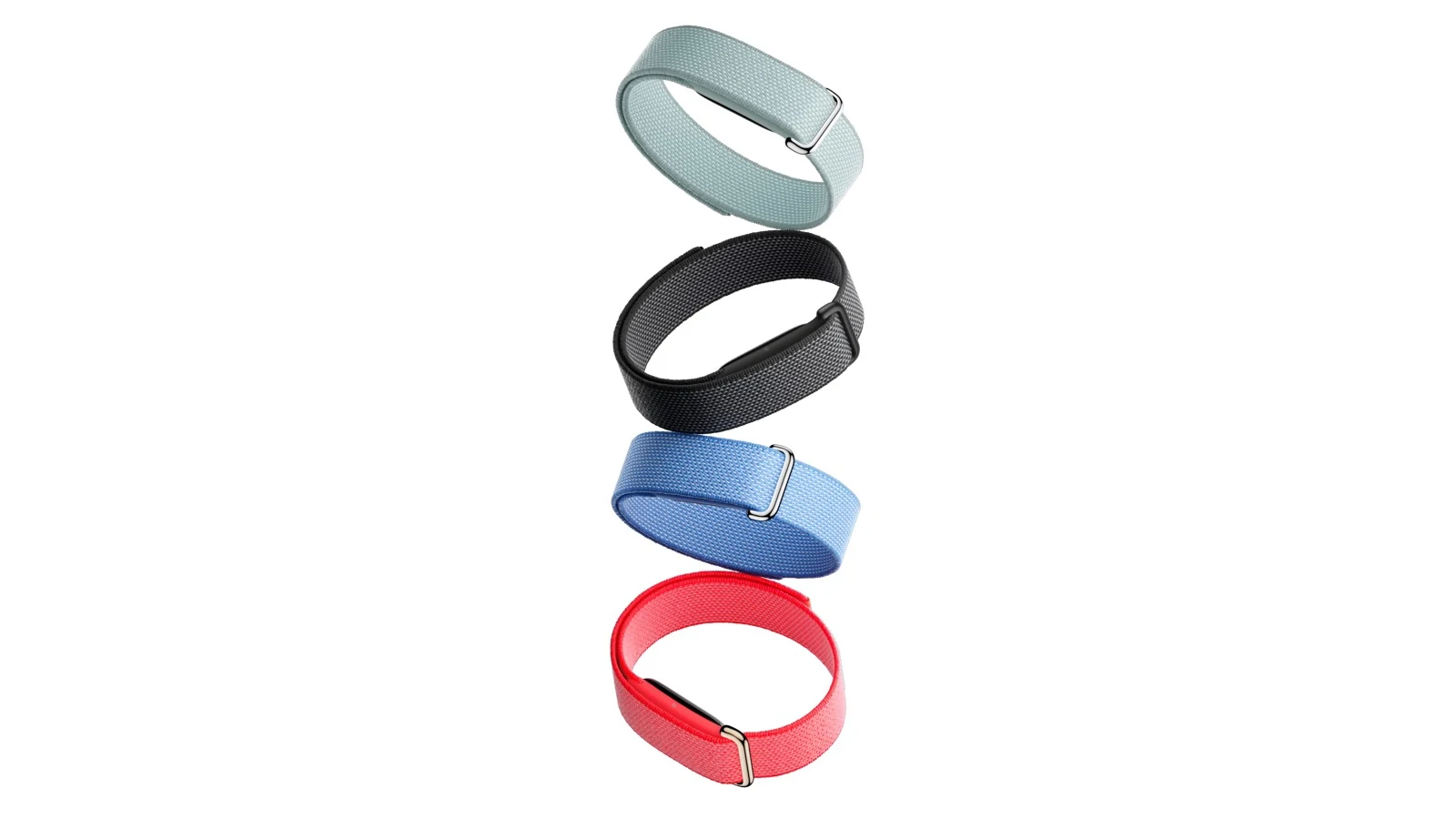
Google opened pre-orders for the Fitbit Air on May 7, 2026, with sales scheduled to begin on May 26 in about twenty countries, including France. The price is set at 99.99 euros. Four colors are available: Obsidian, Fog, Lavender, and Berry.
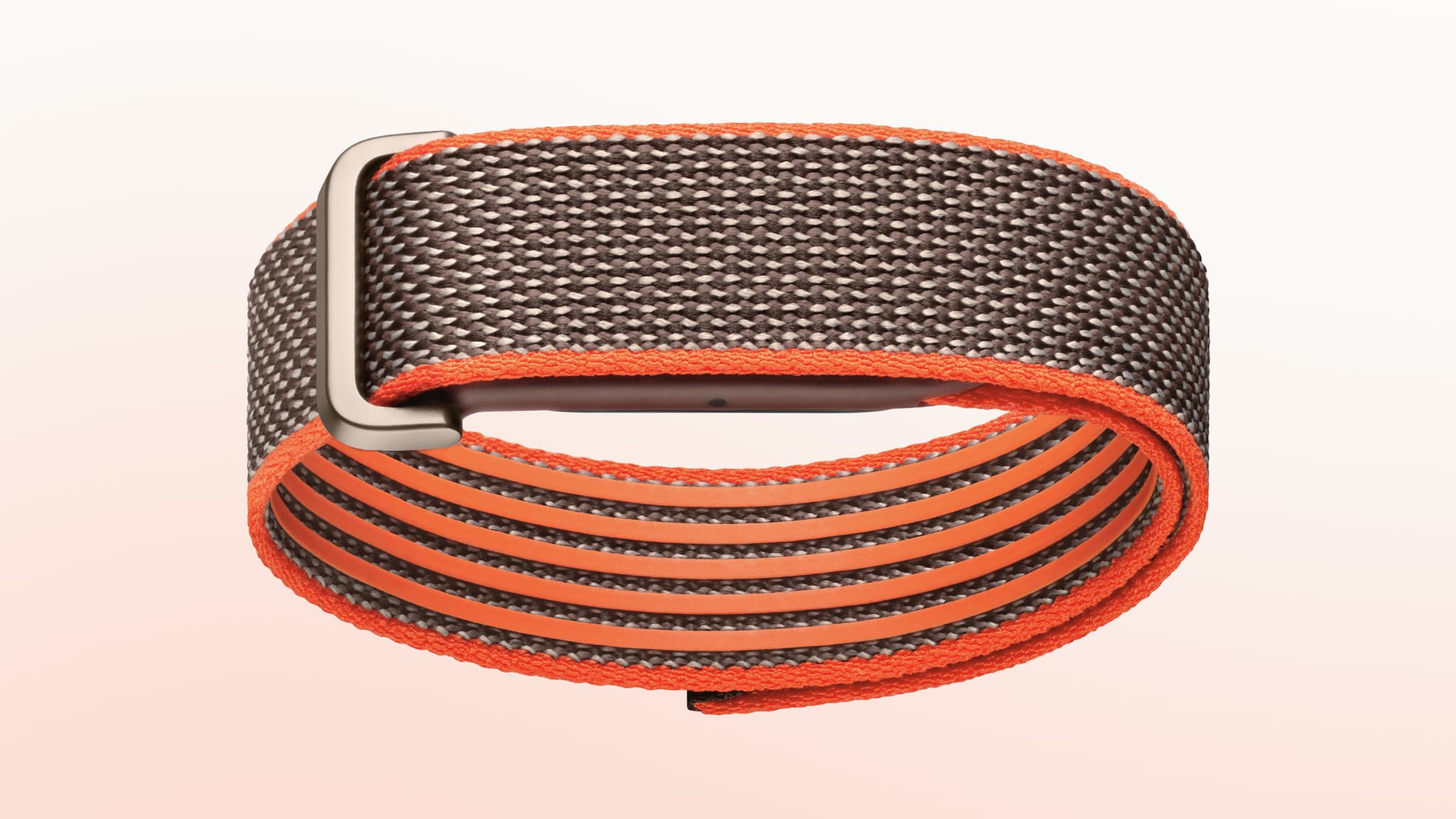
Google is simultaneously launching a Fitbit Air Special Edition for 129.99 euros, designed in collaboration with basketball player Stephen Curry. This model uses the same hardware as the standard version but includes a Performance Loop strap in rye brown and orange, with a water-repellent coating, an inner pattern inspired by running bands for ventilation, and Curry’s signature and number 30 embroidered inside. Additional straps will be available separately starting at 34.99 euros, offered in Performance Loop, Active Band (silicone), and Elevated Modern Band (dressy).
With the Fitbit Air, Google isn’t trying to compete with its own Pixel Watch in terms of features. It offers a different entry point into its health ecosystem: lighter, cheaper, iOS-compatible, and designed for those who don’t want an extra screen in their day. If the Google Health Coach offering lives up to its promises over time, the Premium subscription will quickly become the true commercial challenge of this launch. Pre-orders are already open on the Google Store.