The new Siri for iOS 27 might be subject to a waiting list upon its launch, according to a Bloomberg report published on June 5, 2026. Apple internally refers to its redesigned assistant as « beta, » a precaution reminiscent of its approach in 2024.
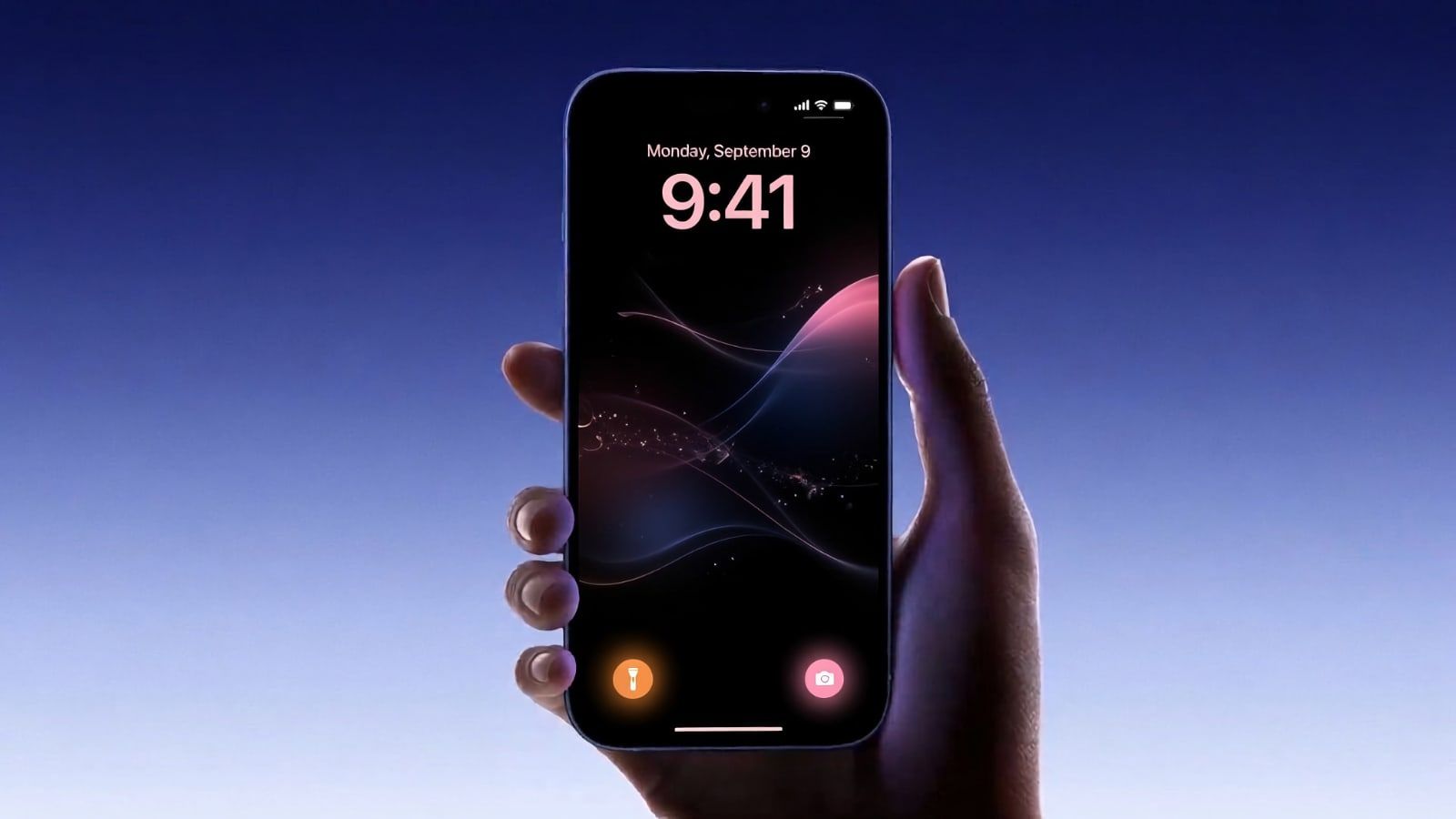
A Completely Rethought Voice Assistant Ahead of the June 8 Keynote
Just days before WWDC 2026, whose opening keynote is scheduled for Monday, June 8, Apple is preparing to unveil the most radical transformation of Siri since the assistant’s launch in 2011. The months leading up to the event have been marked by a series of converging revelations: Siri would abandon its traditional voice command architecture to adopt a full conversational model, comparable to ChatGPT or Claude. A dedicated app would emerge, offering exchanges presented in chat bubbles and synchronized across devices via iCloud.
The new Siri’s interface is expected to integrate into the iPhone’s Dynamic Island, displaying a « Search or Ask » prompt with an animated cursor. Users will be able to configure automatic deletion of their conversations with the assistant on a defined schedule in settings, similar to the options already available for messages. These developments outline an AI agent integrated throughout the system, capable of acting within third-party apps and accessing on-screen content.
The « beta » Label: A Precaution with a History at Apple
Despite the scale of these announced changes, Apple is reportedly approaching this launch with notable caution. According to information compiled by Mark Gurman for Bloomberg in his analysis published on June 5, the company still internally labels the revamped version of its assistant as « beta » and « preview. » This means the new Siri will not be presented as a finalized product upon its public release, expected in September 2026 with iOS 27.
This communication choice is not unprecedented. At its launch in 2011 with the iPhone 4S, Siri already carried the beta version tag for two full years before Apple removed it. Fifteen years later, the label returns, reflecting a consistent philosophy: Apple prefers to manage expectations rather than expose itself to criticism for a flawed release. The lesson from 2024, where Apple Intelligence’s promises were perceived as far exceeding the functionalities ultimately delivered, seems to have been learned.
How the Waiting List Might Work
This is a direct consequence of its preview status: Apple is considering implementing a waiting list mechanism to regulate access to Siri’s new features upon the release of iOS 27. Bloomberg’s report does not specify which particular features would be subject to this filtering, nor the expected waiting time. These details will likely remain unknown before the keynote.
However, the precedent of iOS 18.1 in October 2024 offers a concrete idea of what this entails. To access the initial Apple Intelligence features at the time, users with a compatible iPhone had to go to Settings, select the « Apple Intelligence and Siri » section, and then tap « Join Waitlist. » Apple generally granted access within a few hours according to its official support, but delays varied depending on the influx of requests. This system allowed the company to monitor real-world performance while limiting the risks associated with a sudden surge in demand.
If Apple adopts a similar system for iOS 27, the most eager users would be well-advised to install the update as soon as the developer version is available and sign up immediately, as this could have made a difference during the previous launch.
Gemini as a Foundation: Why a Phased Rollout Makes Sense
The project’s technical complexity reinforces the logic of controlled access. To power the new Siri architecture, Apple reportedly reached an agreement with Google for the integration of large-scale Gemini models, according to information reported by Bloomberg prior to WWDC. This collaboration would represent a clear departure from Apple’s usual strategy, which has long favored its own in-house developed models to preserve user data privacy.
Integrating a third-party infrastructure into an assistant as central as Siri necessitates thorough verification: unexpected model behaviors, managing the boundary between on-device processing and calls to Google’s servers, and ensuring response consistency across different contexts. A phased rollout via a waiting list would allow Apple to gather real-world feedback, identify anomalies on a smaller scale, and make necessary adjustments before the entire installed base accesses the service. This is precisely why Mark Gurman emphasizes that this approach « makes sense » given the overall architectural novelty.
Confirmation or refutation of this waiting list mechanism will be one of the practical details to watch for during the June 8 keynote. Beyond the access question, observers will be scrutinizing Apple’s ability to transform Siri into a truly competitive AI agent, following two years of unfulfilled promises in the field of artificial intelligence.