Google TV Integrates Gemini to Transform the Living Room into a Creative Space: Image Generation with Nano Banana, AI Videos with Veo, and YouTube Shorts Directly on the Home Screen.
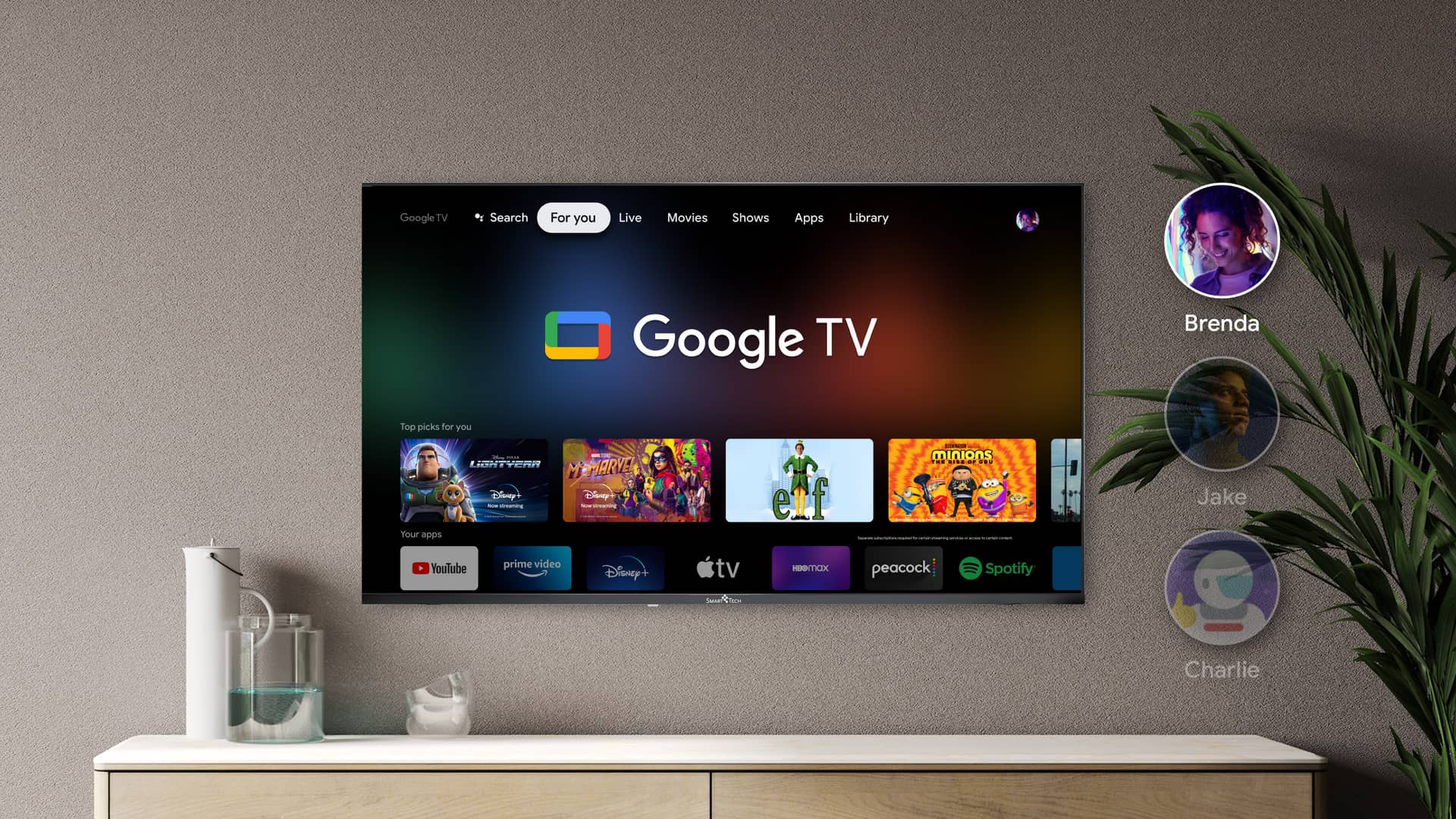
Google no longer considers television a mere broadcast screen. On April 29, 2026, the Mountain View firm announced a suite of new Gemini for Google TV features, significantly expanding creative and search capabilities on the largest screen in the home. This rollout marks a key milestone in a strategy initiated at CES 2026 in January, when Google first unveiled the integration of generative AI into its television ecosystem.
An AI Strategy Taking Shape After CES
Since November 2025, Gemini has been present on Google TV devices. At CES 2026 in Las Vegas, Google presented an ambitious vision: to make television more conversational, more visual, and more useful in daily life, by allowing users to control settings via voice command and navigate their personal media using natural language. The announcement on April 29, 2026, brings these promises to fruition with unprecedented creative tools, accessible directly from the Gemini tab in the interface.
This progress occurs amid heightened competition among streaming platforms and TV manufacturers, all engaged in an AI integration race. Google is positioning Google TV not just as a content access interface, but as an AI-assisted creation platform at the heart of the family living room.
Nano Banana and Veo: Create from Your Sofa
At the core of the system is a « Create » button in the Gemini tab, providing access to the two flagship tools of this update: Nano Banana and Veo. Their rollout is beginning on Gemini-compatible TCL televisions in the United States, with expansion to other devices planned later, according to available information.
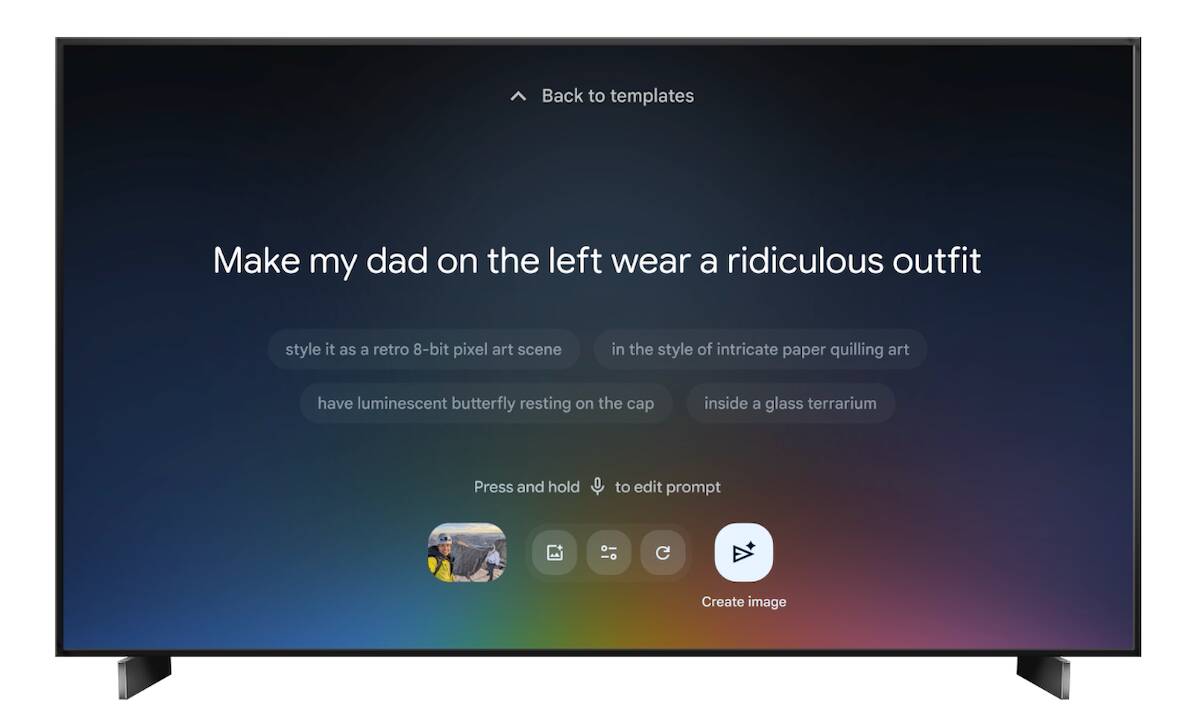
Nano Banana, Google’s image generation and editing model, allows for photo transformations using simple voice commands. Users can modify people’s outfits, change backgrounds, or generate entirely new scenes. Google is clearly targeting this product towards a collective and playful experience, encouraging family-shared prompts, such as asking the AI to dress a loved one in an extravagant outfit to elicit laughter.
Veo follows a different logic, focused on AI video creation. The tool allows for the generation of clips from a text description, or animating still photos by applying a user-imagined scenario, like making a loved one dance in zero gravity. Announced at CES 2026 as a major integration, Veo then boasted recognized capabilities in generating video with synchronized audio, according to information published by CNET in Las Vegas.
Google Photos Reimagined on the Big Screen
The update also touches personal memory management. Google Photos on Google TV is receiving a Gemini-powered search engine, enabling the retrieval of specific moments, such as vacations or birthdays, without manually scrolling through the entire photo library. Results are displayed as navigable galleries, with the option to view each image full-screen or launch an automatic slideshow.
A feature called « Remix » complements this system. It allows artistic styles, such as watercolor or oil painting, to be applied to any photo in the library. In parallel, « Dynamic Slideshows » introduce animated layouts with custom frames and color treatments. To activate this function, simply select Google Photos in the screensaver settings, transforming any collection into a visual presentation optimized for the big screen.
This evolution addresses a documented need: televisions are increasingly used as photo display devices in homes, and Google aims to compete with connected digital photo frames in this segment.
YouTube Shorts Comes to the Home Screen
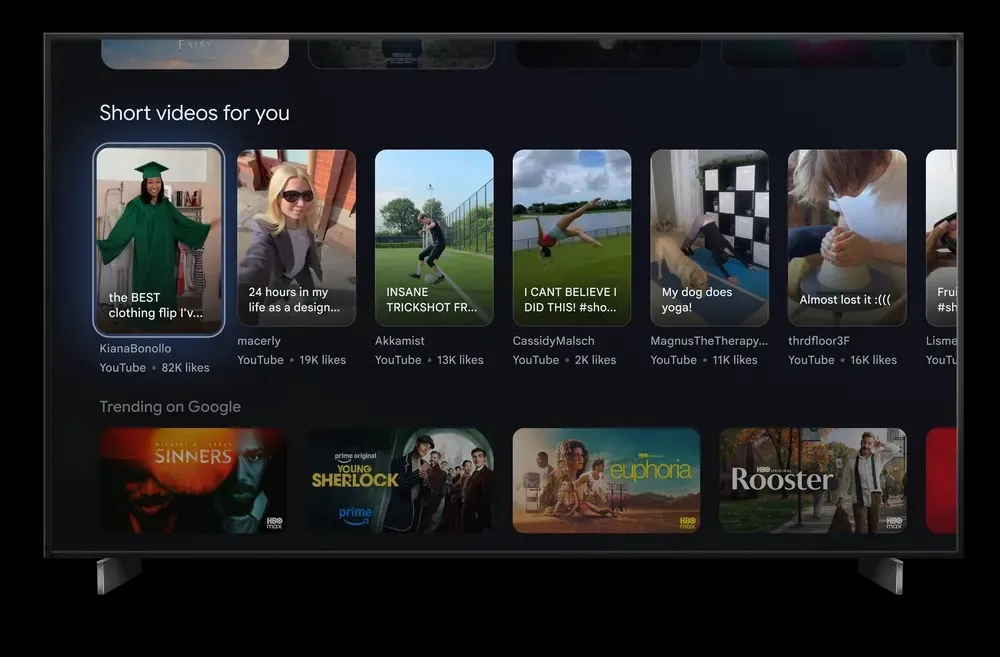
Beyond creative tools, Google is also focusing on short-form video to enhance the Google TV experience. A new section titled « Short Videos for You » is scheduled to appear soon on the home screen, prioritizing content from YouTube Shorts. This integration is presented as evolving, with the potential to host other platforms in the future.
However, the context is ambivalent. YouTube recently introduced an option to hide Shorts on mobile, reflecting a user preference split between short-form and long-form content. This decision highlights a real tension within Google itself, between the algorithmic push towards short-form and the expectations of some users who wish to limit their exposure to it. The arrival of Instagram on Google TV in the US earlier this year confirms that this space is gradually becoming a competitive battleground for platforms.
Compatibility and Technical Requirements
Access to the new Gemini features requires the device to be running Android TV OS 14 or a later version, along with an active internet connection, according to information published by TechCrunch during CES 2026. The priority rollout on TCL televisions indicates that Google is progressing incrementally, relying on manufacturer partners to validate features before wider availability.
This phased release approach is reminiscent of Google’s method for Pixel updates: limiting initial exposure to better control feedback and address issues before a global deployment. The question of expansion to other Google TV-compatible television brands remains open, but the progress observed from CES 2026 to the present suggests an active roadmap.
Google is clearly accelerating its AI deployment in the living room, with a roadmap that extends well beyond the announcements made at CES 2026. Following the upcoming Google I/O 2026 event will provide a clearer understanding of the next steps in this strategy for Google TV and the entire Gemini ecosystem.